Cute Christmas Baby Deer Embroidery Review
As an embroidery designer who spends countless hours testing stitches and planning booth layouts, I am always on the lookout for designs that balance charm with commercial viability. When evaluating a new machine embroidery design, my primary concern is not just how it looks in the hoop, but how it translates to a physical product sitting on a craft fair table or an Etsy listing. Today, I am reviewing the Cute Christmas Baby Deer Embroidery. Based on its title and description as a festive reindeer applique, this piece promises to be a strong contender for holiday collections. Here is my professional assessment of its potential for handmade market products.
First Impressions: The Appeal of "Baby Animals" in Holiday Decor
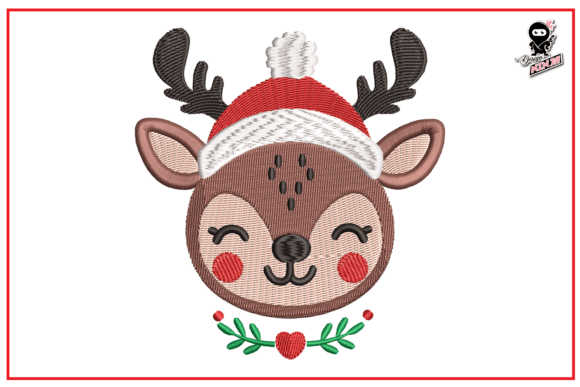
The category of Baby Animals combined with Embroidery creates an immediate emotional connection. In the world of handmade goods, cuteness is a powerful driver, especially during the winter holidays. The title "Cute Christmas Baby Deer" suggests a soft, approachable aesthetic rather than a traditional, rustic, or overly formal look. For a craft fair seller, this distinction is crucial. Customers are often looking for items that feel personal, warm, and giftable.
This design likely leans towards a modern, festive, and soft visual style. It avoids the heavy, dark tones of traditional farmhouse decor, making it versatile enough for younger demographics and contemporary home styles. The mention of "applique" in the description is particularly exciting. Applique adds texture and dimension, elevating a simple embroidery file into a premium-looking finished product. If executed well, this design will have a tactile quality that draws customers in when they browse your booth.
Product Versatility: Where This Design Shines
One of the most important factors for a small shop product is versatility. A design that only works on one item limits your revenue potential. The Cute Christmas Baby Deer Embroidery appears to be highly adaptable across various mediums. Here is how I envision it performing on specific items:
- Tote Bags: A classic tote bag design application. Placing a cute deer on a canvas tote creates an instant impulse buy. The contrast between the sturdy fabric and the delicate applique details can make the item feel special.
- Kitchen Towels and Aprons: This is a staple category for holiday sales. A tea towel embroidery featuring this design adds a pop of seasonal cheer to any kitchen. Similarly, an apron embroidery allows the wearer to show their festive spirit while cooking, making it a practical yet decorative gift.
- Embellished Patches and Caps: If the design scale allows, it could work beautifully as an embroidered patch for denim jackets or beanies. On caps, the curved surface can add a unique touch, provided the design is optimized for smaller hoops.
- Home Decor Items: Pillow covers and small pouches are excellent high-margin items. The design’s "stylish accent" quality means it won’t overwhelm these surfaces, allowing it to serve as a subtle nod to the holidays rather than a loud statement.
Production Practicality and Visual Impact
From a production standpoint, ease of use is key to maintaining profitability. A complex design requires more hooping time, more thread changes, and a higher risk of errors. While I cannot confirm the exact stitch count without the file, applique designs generally require careful layering. However, if the Cute Christmas Baby Deer Embroidery uses large, distinct shapes, it will be relatively quick to produce once mastered.
Photography is another critical aspect for online sellers. This design’s likely soft color palette and clear focal point (the baby deer) should photograph very well. It stands out against neutral backgrounds like cream, navy, or forest green, which are popular in holiday marketing. For an Etsy seller, having clean, bright mockups of this design on different products will help visualize the value for buyers. The "cute" factor naturally engages viewers, increasing the likelihood of clicks and conversions.
Important Considerations for Commercial Success
Before committing to mass production for a weekend craft fair, there are several technical checks every designer must perform. Ignoring these steps can lead to wasted materials and dissatisfied customers.
- Stitch Density and Detail: Inspect the design for dense stitch areas. If the deer’s features are too tiny, they may disappear when embroidered on textured fabrics like terry cloth towels or thick fleece. Ensure the design retains clarity at your intended size.
- Fabric Texture and Contrast: Test the design on your actual product fabrics. A light-colored applique might get lost on a white apron, while a dark design might vanish on black fabric. Always check thread colors against your base material to ensure sufficient contrast.
- Hoop Size and Stabilizer: Confirm the hoop size required by the digital embroidery file. You need to ensure your products fit within the hoop without awkward cropping. Additionally, using the right stabilizer is essential to prevent puckering, especially on lightweight or stretchy fabrics.
- Commercial Licensing: This is non-negotiable. Before selling any commercial embroidery products, you must verify the licensing terms of the digital embroidery file. Some licenses restrict the number of units you can sell or prohibit certain types of merchandise. Protect your business by ensuring you have the legal right to profit from this design.
Final Verdict for Craft Fair Sellers
The Cute Christmas Baby Deer Embroidery has all the hallmarks of a best-selling holiday item. It taps into the popular "baby animal" trend, offers a festive yet modern aesthetic, and appears suitable for a wide range of handmade products. Its applique nature adds a premium feel that can justify a higher price point, appealing to buyers looking for quality gifts.
To maximize its success, focus on creating cohesive displays. Group matching sets, such as a tea towel and apron, to encourage bundle purchases. Use the design’s charm to tell a story in your booth—perhaps highlighting the joy of gifting something handmade. By testing the design thoroughly, paying attention to stitch density and fabric choices, and ensuring proper licensing, you can turn this design asset into a profitable addition to your inventory. For any creative entrepreneur looking to capitalize on the holiday rush, this design is definitely worth considering for your next collection.