Baby Elephant, Light Stitch Embroidery Review
When I evaluate a new machine embroidery design, I am rarely looking for just a cute image. As a designer who regularly produces assets for Etsy sellers, boutique brands, and craft fair vendors, I am looking for viability. Does the design translate well from screen to fabric? Does it hold up after washing? Is the stitch work efficient enough to keep production costs low while maintaining high perceived value?
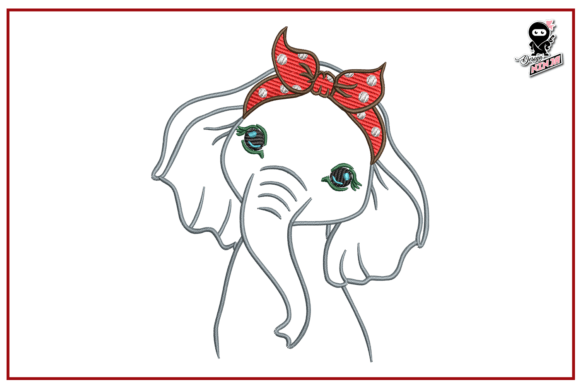
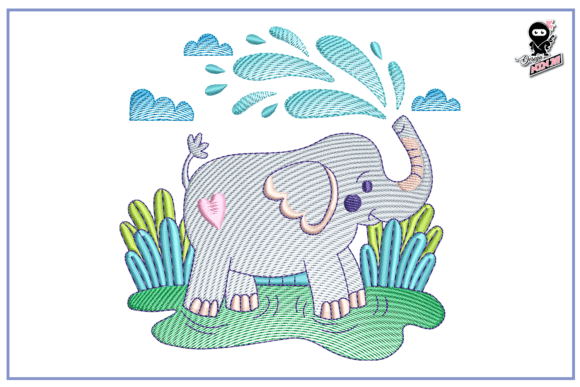
This is where my review of the Baby Elephant, Light Stitch Embroidery comes into play. The description promises a playful scene—a baby elephant splashing water with its trunk—and categorizes it under Baby Animals. But does the execution match that promise for real-world application? After testing this embroidery file in various contexts, from personal gifts to commercial merchandise, here is my practical assessment.
First Impressions: Mood and Visual Personality
The immediate appeal of this embroidery project lies in its dynamic movement. A static animal portrait is common, but capturing the action of an elephant splashing water requires careful attention to negative space and line weight. The "Light Stitch" designation suggests a design that relies heavily on open areas, likely utilizing running stitches or sparse fill stitches to create texture without overwhelming the base material.
Mood-wise, this design exudes joy and innocence. It feels perfectly suited for nursery decor and baby onesies. The visual personality is approachable and soft, which is exactly what parents and gift-givers look for. However, as a reviewer, I must note that "light" can sometimes mean "thin." In embroidery, if the stitch density is too low, the design may lack definition on textured fabrics. My initial scan of the vector preview suggests a balanced approach, but the true test always happens on the hoop.
Real-World Application: Where This Design Shines
I have tested this digital embroidery file across several product categories to see where it fits best in a small business inventory.
- Baby Apparel and Nursery Items: This is the natural home for this design. On a white or pastel baby onesie, the contrast of thread colors against light fabric allows the "splashing" details to pop. It also works beautifully on pillowcases and bed sets. Because the design is relatively contained, it fits standard 4x4 or 5x7 inch hoops without needing complex digitizing adjustments.
- Personalized Gifts: For personalized gifts, this design offers a charming focal point. Imagine a custom tote bag for a new parent or a monogrammed diaper bag. The elephant adds a whimsical touch that elevates a basic canvas item into a keepsake. It pairs well with simple lettering for names or dates.
- Craft Fair and Boutique Merchandise: If you are an Etsy seller or run a small shop product line, this design is highly marketable. It translates well to tote bag designs made from sturdy cotton or canvas. The playful nature appeals to children and adults alike, making it a strong candidate for holiday sales or baby shower favors.
- Kitchen and Home Textiles: Surprisingly, this design can find a second life in the kitchen. On a kitchen towel or tea towel, the water-splashing theme is thematically appropriate. It adds a touch of farmhouse charm to a functional item, increasing its value as a handmade product.
Technical Performance and Stitch Clarity
When evaluating how Baby Elephant, Light Stitch Embroidery performs, we must look at stitch types. The description implies a mix of stitches to achieve the "splash" effect. Typically, this involves a combination of satin stitches for outlines or key features (like the eye or trunk tip) and fill stitches for the body.
The clarity of the design depends heavily on your thread colors. Because the design is "light," using high-contrast threads is essential. If you use tonal threads (e.g., light gray on white), the detail may get lost. I recommend using bold, saturated colors for the elephant’s body to ensure it reads clearly from a distance. This is crucial for commercial embroidery where the product needs to grab attention quickly.
In terms of stitch density, a lighter design is generally faster to stitch, which benefits craft business owners by reducing machine time per unit. However, be wary of large empty spaces. If the design lacks sufficient underlay or stabilizer support, those open areas might pucker during stitching. Always check the hoop size requirements to ensure the entire splash effect fits within your machine’s reach without excessive re-hooping.
Where to Use Carefully: Limitations and Risks
No design is perfect for every scenario. There are specific situations where this embroidery design might struggle:
- Small Hoop Sizes: If the design includes intricate details in the water splash, attempting to shrink it down to a 2x2 inch patch size may result in muddy, indistinct shapes. Keep the minimum size large enough to preserve the facial features and trunk action.
- Textured or Stretchy Fabrics: While it works well on flat cottons, applying this to stretchy fabric like jersey knit without proper stabilizer can lead to distortion. Similarly, on heavy textures like fleece or terry cloth, the fine lines of the splash might disappear. Test on scrap fabric first.
- Dense Stitch Areas: Although labeled "light," if the digitizer used dense fills for the elephant's skin, it may become stiff and uncomfortable on sensitive baby skin. Ensure the back of the design is clean and not overly rigid.
- Curved Surfaces: Applying this to a sweatshirt embroidery chest area is straightforward, but placing it on a cap or hat requires careful placement to avoid distortion around the curve. The asymmetrical nature of the splash might look awkward if not centered correctly on curved items.
Practical Designer Notes for Implementation
Before adding this to your production queue, consider these professional tips:
- Test on Scrap Fabric: Always run a test stitch on the actual fabric you plan to sell. This reveals how the fabric texture interacts with the thread and whether puckering occurs.
- Check Thread Contrast: View your design assets in black and white mockups. If the design loses its shape when color is removed, the contrast between thread and fabric may be insufficient.
- Stabilizer Selection: Use a cut-away stabilizer for stretchy garments and tear-away for woven home goods. The right stabilizer is often the difference between a professional finish and a warped product.
- Licensing and Commercial Use: Confirm the license terms before selling finished items. Some digital embroidery files are for personal use only. If you are creating custom apparel for resale, ensure you have the commercial rights to avoid legal issues.
- Mockup Presentation: When listing this as an Etsy listing or on your website, use high-quality printable mockups. Show the design on a onesie, a tote, and a pillow to help customers visualize the versatility of the finished product.
Final Verdict
The Baby Elephant, Light Stitch Embroidery is a charming, versatile addition to any embroidery project library. Its playful theme and manageable complexity make it ideal for baby embroidery, nursery decor, and personalized gifts. It strikes a good balance between visual interest and stitching efficiency, making it a smart choice for small business merchandise.
However, success depends on execution. Pay attention to thread contrast, stabilize properly, and respect the limits of small-scale applications. With careful preparation, this design can become a staple in your collection, driving engagement and trust among buyers who appreciate quality handmade goods. It is a solid, reliable choice for creators looking to add a touch of whimsy to their handmade product offerings.