Baby Elephant with Bandana Embroidery Review
As an experienced embroidery designer, I spend a significant portion of my time scouting for designs that bridge the gap between aesthetic charm and commercial viability. When building a seasonal collection, the goal is always to find pieces that evoke immediate emotional resonance while remaining practical for mass production or small-batch handmade sales. Recently, I evaluated the Baby Elephant with Bandana Embroidery design to determine its potential fit within our upcoming holiday and year-round product lines. This review outlines my professional assessment of this machine embroidery design, focusing on its application for Etsy sellers, small business owners, and apparel decorators looking to capitalize on the demand for unique, heartfelt items.
First Impressions: Mood and Aesthetic Appeal
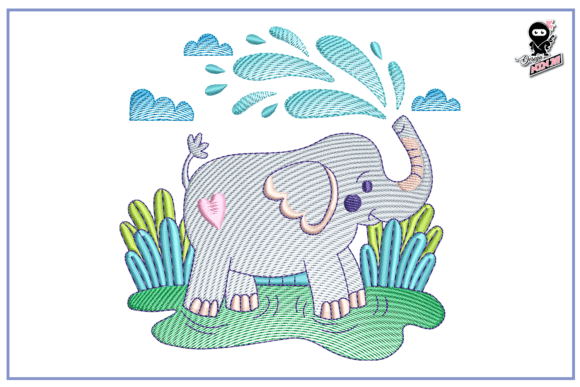
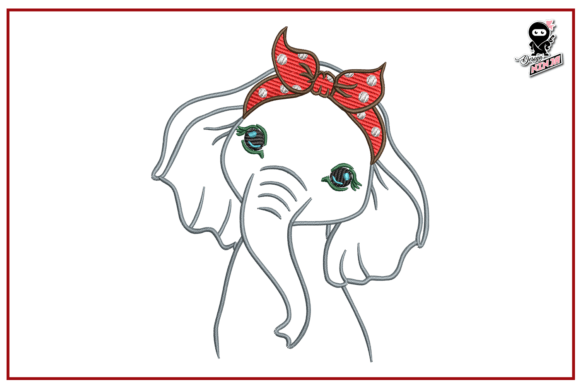
The initial visual impact of the Baby Elephant with Bandana Embroidery is one of playful warmth. Elephants have long been symbols of good luck, wisdom, and family bonds, making them a perennial favorite in the Baby Animals category. However, the addition of the bandana introduces a distinct layer of personality. It shifts the tone from purely traditional to slightly rustic, modern, and undeniably cute. This specific combination creates a nostalgic yet contemporary feel that appeals to a broad demographic.
From a decorative standpoint, the design strikes a balance between detailed character work and clean, readable shapes. The emotional tone is cozy and inviting, which is crucial for holiday shopping periods where buyers are seeking gifts that feel personal and thoughtful. Whether intended for a newborn’s nursery or a trendy adult’s accessory, the design carries a gentle humor and sweetness that stands out against more generic floral or geometric patterns. It feels premium without being overly formal, making it versatile for various market segments.
Seasonal Versatility and Product Applications
One of the strongest assets of this embroidery file is its adaptability across different seasons and product types. While elephants are often associated with summer themes or baby showers, the bandana element allows for creative styling that fits into fall and winter collections as well. Here is how I envision integrating this seasonal embroidery piece into a cohesive shop strategy:
- Holiday Gift Bundles: Pair a onesie embroidered with this design with a matching kitchen towel or a set of washcloths. The repetition of the motif creates a high-value perceived gift set that shoppers love during the holidays.
- Apparel Decorations: On a sweatshirt, the design works beautifully on the chest pocket area or centered on the front. For a more casual look, place it on the back near the neckline. It also translates well to tote bag designs, offering a sturdy canvas for the intricate stitching.
- Home Decor Items: Pillow covers and table linens benefit from the soft texture of the embroidery. A pillow cover featuring this Baby Elephant with Bandana Embroidery adds a touch of whimsy to a living room or nursery, appealing to customers looking for personalized home accents.
- Kitchen and Utility Textiles: Kitchen towel embroidery is a booming niche. The durability of the stitches ensures the design survives frequent washing, making it a practical yet charming addition to a chef’s apron or a hostess gift.
- Accessories and Patches: Consider creating an embroidered patch version for use on denim jackets or backpacks. This expands the reach of the design beyond textiles into fashion accessories, catering to older demographics who appreciate the "cute" aesthetic.
Social Media and Marketing Potential
In the digital age, visual recognition is key. This design offers excellent opportunities for social media previews and printable mockups. The contrast of the elephant against the bandana creates a focal point that photographs well. For an Etsy seller, creating realistic mockups that show the design on different fabric textures can significantly boost click-through rates. The story behind the design—perhaps highlighting the bond between parent and child or the idea of good luck—can be woven into product descriptions to enhance engagement during peak shopping times.
Technical Considerations and Production Notes
While the artistic merit is clear, any seasoned designer knows that execution is everything. Before adding this digital embroidery file to your production queue, several technical factors must be addressed to ensure customer satisfaction and minimize returns.
Fabric and Thread Selection
The choice of fabric texture plays a critical role in the final appearance. Soft cotton blends are ideal for baby onesies and t-shirts, allowing the stitches to sit smoothly. However, when using thicker materials like fleece for sweatshirts or heavy towels, you may need to adjust the stitch density or use a cut-away stabilizer to prevent puckering. Always test thread colors on both light and dark fabrics. Metallic threads might add a festive touch for holiday ornaments, but they can shred if the tension is not perfectly calibrated.
Hoop Size and Stabilizer Usage
Confirming the appropriate hoop size is essential. If the design is too large for the intended garment, it may distort the fabric or become unwieldy to embroider. Conversely, scaling it down too much on a small item like a hat or a tiny patch can result in lost detail. Use a proper stabilizer that matches the weight of your fabric; a lightweight tear-away might suffice for a t-shirt, but a heavy-duty cut-away is necessary for stretchy garments or durable items like aprons.
Quality Control Checklist
- Stitch Density: Check that the fill stitches are dense enough to cover the base fabric completely but not so dense that the material becomes stiff.
- Small Details: After stitching, inspect the smallest elements, such as the eyes or the folds of the bandana. Ensure they are clearly defined and not merging together.
- Thread Tension: Verify that the top and bobbin threads are balanced to prevent looping or breaking.
- Commercial Licensing: Before selling finished products, confirm the commercial licensing terms of the machine embroidery design. Some files are restricted to personal use only, which could lead to legal issues for small business owners.
Conclusion
The Baby Elephant with Bandana Embroidery design is a strong candidate for inclusion in a diverse product line. Its blend of emotional appeal, seasonal flexibility, and technical feasibility makes it suitable for a wide range of applications, from personalized gifts to home decor. By carefully managing production variables such as fabric choice, stabilizer type, and thread quality, designers can create high-quality finished products that resonate with customers. For those looking to add a touch of charm and luck to their offerings, this design provides a solid foundation for successful seasonal and year-round sales.