Monkey Machine Embroidery Design Review
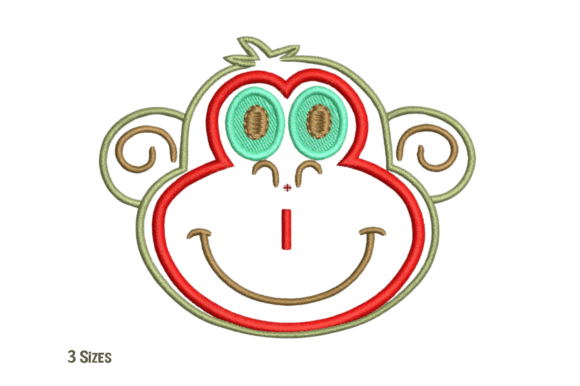
In the competitive world of small business merchandise, every visual element must work hard to establish brand identity and customer trust. As an experienced embroidery designer who has reviewed thousands of digital files for commercial application, I approach each new asset with a critical eye toward production viability, aesthetic appeal, and marketability. Today, we are reviewing the Monkey Machine Embroidery Design, an applique design described as bringing fun and playfulness to projects with a cute jungle vibe. This review focuses on its potential use in branded patches, staff uniforms, caps, tote bags, and handmade product labels for Etsy sellers, boutique owners, and merch creators.
First Impressions: Visual Personality and Brand Fit
The moment you load this embroidery file into your digitizing software, the character of the design becomes apparent. The title suggests a "Machine" execution, which typically implies clean, consistent stitching suitable for high-volume production. The description highlights "fun," "playfulness," and an "adorable" aesthetic. For a small business, these are powerful keywords. This design does not scream corporate seriousness; rather, it whispers approachability, creativity, and warmth.
From a design perspective, the applique technique used here is a smart choice for small business merch. Applique designs often feature larger areas of fabric coverage rather than dense satin stitches, which can reduce thread breakage and production time while maintaining a premium, textured look. The "jungle vibe" allows this asset to fit seamlessly into specific niches such as children’s apparel, eco-friendly brands, pet products, or creative studios that want to project a whimsical yet professional image. It strikes a balance between being decorative enough to catch the eye on social media mockups and simple enough to remain legible when embroidered at smaller sizes.
Real-World Business Applications
One of the most common questions I receive from clients is, "Where should I put this?" The versatility of the Monkey Machine Embroidery Design makes it an excellent candidate for multiple touchpoints in a small business ecosystem. Here is how it performs in real-world scenarios:
- Branded Patches: This design excels as an embroidered patch. Because applique creates a distinct shape with defined edges, it translates beautifully onto iron-on or sew-on patches. These patches can be used to personalize denim jackets, backpacks, or as a signature mark on the cuff of sleeves.
- Staff Uniforms and Aprons: For cafes, bakeries, or florists, adding a playful monkey accent to a plain white apron or work shirt can boost team morale and create a memorable customer experience. It serves as a subtle brand identifier without overwhelming the garment.
- Tote Bag Design: Canvas tote bags are a staple for craft fairs and local markets. A centered or chest-positioned monkey applique adds immediate visual interest. The contrast between the sturdy canvas texture and the smooth applique fabric creates a tactile quality that customers appreciate.
- Cap Embroidery: While cap fronts have limited space, a well-digitized applique design can sit neatly on the panel. However, size constraints must be respected (discussed below) to ensure the details do not get lost.
- Product Packaging Accents: Beyond apparel, this design can be applied to gift tags, fabric labels, or even soft luggage tags for boutique items, reinforcing the handmade product narrative.
Strategic Considerations for Small Business Merch
While the design is charming, a professional review must address where caution is required. Not every surface or item is suitable for this specific machine embroidery design.
Size and Detail Limitations: Applique designs rely on clear outlines and sufficient spacing between elements. If you attempt to scale this down too small for a tiny logo on a pen or a very fine watch strap, the detail will be lost. Always test the design at your intended final size. For custom apparel, a minimum height of 2 to 3 inches is usually recommended for applique to maintain clarity.
Fabric Texture and Contrast: The success of any embroidered patch or direct-to-garment stitch job depends heavily on fabric choice. Dark uniforms may require a backing or underlay that changes the perceived color of the applique fabric. Similarly, highly textured fabrics like heavy tweed or loose-weave linen can distort the precise lines of the monkey design. Stick to stable knits, cotton blends, or canvas for the best results.
Wash Durability: For items that will undergo frequent washing, such as kids’ apparel or work aprons, the durability of the applique edge is crucial. Ensure your digitizing settings include appropriate tie-in and trim stitches to prevent fraying over time. This directly impacts brand identity; a frayed patch looks worn out, whereas a crisp one looks professional.
Impact on Brand Identity and Customer Trust
In the digital age, buyers engage with visuals before they ever touch the physical product. Using a cohesive, high-quality digital embroidery file like the Monkey design signals attention to detail. When a customer sees a professionally executed applique on a tote bag or a child’s hoodie, it elevates the perceived value of the finished product. It suggests that the business cares about craftsmanship, not just mass production.
Furthermore, the playful nature of the monkey helps humanize a brand. In a marketplace saturated with minimalist logos, a character-driven design stands out. It encourages sharing on social media platforms like Instagram and Pinterest, where cute, visually appealing content drives engagement. By integrating this design into your design assets, you are creating a recognizable symbol that can become synonymous with your shop’s personality.
Practical Designer Notes for Production
Before committing to large-scale production, follow these essential steps to ensure the Monkey Machine Embroidery Design meets your business standards:
- Test in Black and White: First, digitize or preview the design in monochrome. This helps you evaluate the structure, spacing, and density without the distraction of color choices.
- Check Stitch Density: Review the stitch density to ensure it is appropriate for the fabric you plan to use. Too dense, and the fabric may pucker; too sparse, and the stabilizer may show through.
- Thread Color Contrast: Select thread colors that pop against your base fabric. High contrast ensures the design remains visible and attractive from a distance.
- Confirm Hoop Size: Verify that the hoop size of the design fits within your machine’s capabilities and the dimensions of your product (e.g., ensuring it fits inside a standard cap frame or tote bag hoop).
- Use Proper Stabilizer: The choice of stabilizer is critical. Cut-away stabilizers are generally recommended for garments and bags to provide long-term support, while tear-away may suffice for temporary projects.
- Create a Printable Mockup: Before sewing, generate a printable mockup or a digital render to present to clients or for marketing materials. This helps visualize the final result and secure approvals.
- Commercial Licensing: Most importantly, confirm the commercial licensing terms. Ensure you have the right to sell physical goods made with this embroidery file. Different licenses apply to personal use versus commercial merchandise.
The Monkey Machine Embroidery Design offers a delightful blend of charm and commercial viability. For small business owners looking to add a touch of whimsy to their small business merch, this design provides a strong foundation for building a memorable, trustworthy brand presence. By paying attention to production details and strategic placement, you can transform this simple ape motif into a powerful tool for customer engagement and sales growth.