Camel Embroidery Design Review
As an embroidery designer who spends countless hours digitizing and testing files for both personal passion projects and commercial client orders, I am always on the lookout for designs that balance artistic flair with technical reliability. When browsing Creative Fabrica embroidery collections, it is easy to get lost in a sea of generic patterns. However, when I first encountered the Camel Embroidery Design, it stopped my scroll. It promised a touch of desert elegance, and after putting it through its paces in a real-world scenario, I wanted to share an honest evaluation of whether this file deserves a spot in your digital library.
First Impressions and Visual Appeal
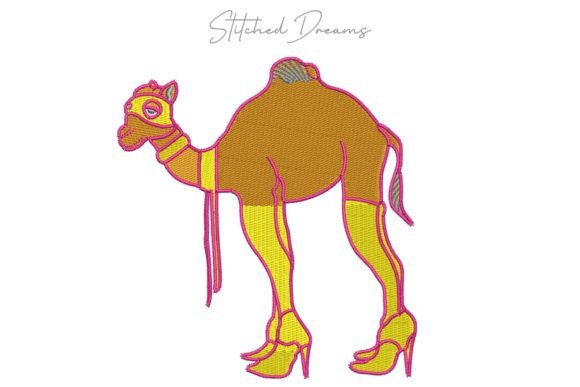
The moment you open the preview of the Camel Embroidery Design, the mood is distinct. It does not scream for attention with neon colors or chaotic shapes; instead, it offers a sophisticated, organic silhouette that feels grounded and timeless. For designers specializing in the Wild Animals category, this design stands out because it captures the essence of the animal without becoming overly cartoonish or stiff. The visual weight of the camel suggests a design that relies on strong outlines and perhaps some internal detailing to give the form life.
In terms of decorative appeal, this embroidery file has a natural versatility. It feels right at home in bohemian home décor, travel-themed accessories, or even minimalist apparel. The "desert elegance" mentioned in the product description is evident in the clean lines and the likely use of negative space. This makes it an excellent candidate for brands that want to convey a sense of adventure, calm, or rustic charm. Whether you are creating a handmade product for a boutique or listing a digital asset on Etsy, this design brings a level of polish that elevates the perceived value of the final item.
Real-World Application: Where Does It Fit?
I often test new machine embroidery design files by imagining specific customer orders. Here is how the Camel design performed in my mental mockups for various categories:
- Tote Bags and Travel Accessories: A camel motif is iconic for travel gear. Placing this on a canvas tote bag creates an immediate connection to wanderlust. The design’s scale seems appropriate for standard tote dimensions, offering enough detail to be noticed but not so much that it overwhelms the fabric.
- Custom Apparel and Sweatshirts: For fall and winter collections, a camel embroidered on the chest of a crewneck sweatshirt or the back of a hoodie adds a trendy, artisanal touch. It works particularly well for custom apparel targeting outdoor enthusiasts or fans of neutral, earthy tones.
- Nursery and Baby Items: While camels might seem like an unusual choice for a baby blanket, they fit perfectly into safari or jungle-themed nursery decor. The softness implied by the design’s lines makes it suitable for gentle stitching on baby blankets or burp cloths, provided the stitch density is checked for comfort against skin.
- Kitchen and Home Décor: Kitchen towels and pillow covers are high-volume items for craft fair sellers. This design adds a unique focal point that differentiates your shop from competitors selling only floral or geometric patterns. It serves as a great personalized gift option for housewarmings or holiday gifting.
- Embroidered Patches: If the design includes a clean border, it translates well into an embroidered patch. These are popular for denim jackets, backpacks, and caps, allowing customers to customize their gear with a statement piece.
Technical Considerations and Stitch Quality
Visuals are only half the battle; execution is everything. When reviewing any digital embroidery file, I look closely at the stitch types and density. While specific stitch counts and file formats should always be verified on the Creative Fabrica product page, we can discuss general technical expectations for a design of this nature.
A camel design typically benefits from a mix of satin stitch for outlines and borders, and fill stitch for the body to create texture and volume. If the design utilizes running stitch for fine details like whiskers or mane strands, it adds a handcrafted feel that many buyers appreciate. However, designers must be cautious about stitch density. If the fill areas are too dense, the fabric may pucker, especially on lightweight materials like jersey knits or thin cottons. Conversely, if the density is too low, the stabilizer may show through, ruining the professional finish.
Another critical factor is the hoop size. Before committing to a large production run, always check the maximum dimensions of the design. If you plan to embroider this on curved surfaces like baseball caps, ensure the design fits within the cap panel without hitting the brim or curving excessively. Testing on scrap fabric is non-negotiable. It allows you to see how the thread colors interact with your chosen material and to adjust tension settings before working on a finished garment.
Fabric and Stabilizer Selection
The success of this project hinges on proper preparation. For woven fabrics like linen or canvas, a cut-away stabilizer is often recommended to provide long-term support, especially for items that will undergo frequent washing. For stretchy fabrics like t-shirts or sweatshirts, a tear-away or wash-away stabilizer might be preferred depending on the desired finish, though cut-away remains the gold standard for durability.
When working with dark fabric, thread contrast becomes paramount. A camel design often uses earth tones—browns, tans, creams—but if the background is black or navy, you may need to choose lighter threads or add a backing layer to ensure the design pops. Always compare light and dark fabric mockups to ensure legibility. Small details, such as the eye or hoof, can get lost if the thread color blends too much with the fabric.
Impact on Product Value and Branding
Using high-quality design assets directly impacts your brand consistency and buyer trust. A well-executed finished product tells the customer that you care about details. When a camel design is stitched cleanly, with no loose threads or puckering, it enhances the perceived value of the item. This is crucial for Etsy sellers and small business owners who compete on quality, not just price.
Furthermore, this design supports strong visual storytelling. In product photography, a camel embroidery on a textured fabric like burlap or denim creates a rich, tactile image that engages viewers. It invites the customer to imagine the texture and quality of the item. This emotional connection drives conversion rates and encourages social media sharing, which is vital for creative entrepreneurs looking to grow their audience organically.
Final Verdict and Practical Advice
The Camel Embroidery Design is a strong addition to any commercial embroidery repertoire. It offers a blend of aesthetic charm and practical application across multiple product categories. Its ability to convey "desert elegance" makes it versatile enough for both playful children’s items and sophisticated adult accessories.
However, remember that a digital file is only as good as its implementation. To ensure success:
- Check File Details: Confirm the hoop size, stitch count, and compatible machine formats on the Creative Fabrica page.
- Review Licensing: Ensure you understand the terms for commercial embroidery sales. Some licenses allow unlimited physical sales, while others may have restrictions on digital resale or print-on-demand services.
- Test Rigorously: Always stitch a sample on your actual production fabric. Inspect small details after stitching to ensure clarity.
- Optimize Thread Choices: Experiment with thread colors to match your brand palette while maintaining sufficient contrast.
If you are looking to expand your offerings with a design that is unique, marketable, and visually striking, the Camel Embroidery Design is worth considering. It provides a solid foundation for creating memorable handmade gifts and custom apparel that stand out in a crowded marketplace. By paying attention to the technical nuances of stitching and presentation, you can turn this simple file into a best-selling product.