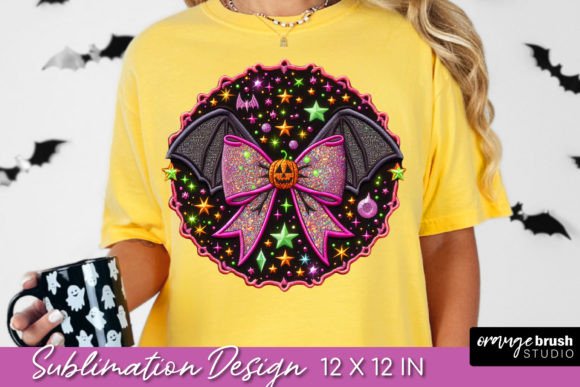
Halloween Bat Faux Embroidery Patch Review
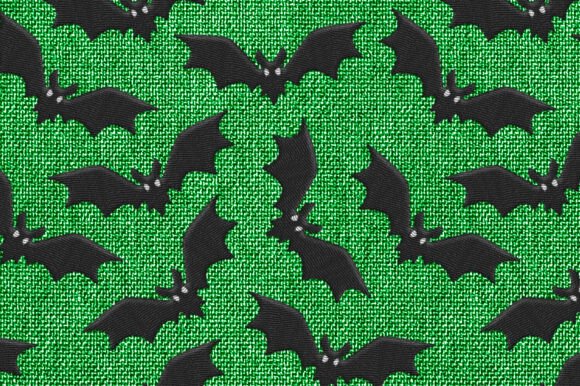
As an embroidery designer who has spent years turning digital concepts into tangible, stitched assets for small businesses, I approach every new design asset with a critical eye. The market is flooded with generic clip art, but finding a piece that balances aesthetic appeal with technical viability for commercial embroidery is rare. Today, I am reviewing the Halloween Bat Faux Embroidery Patch, a graphic currently categorized under Crafts and Graphics. This review focuses on its potential application for small business merchandise, branded patches, staff uniforms, and handmade product labels.
First Impressions: Visual Personality and Brand Fit
The title alone suggests a specific vibe: playful yet structured. When we look at a faux embroidery design, we are looking at a high-resolution representation of how the final stitch work will appear. For a small business merch creator, first impressions matter because they dictate whether a customer perceives the brand as premium or amateur. This design leans into a retro Halloween aesthetic, which immediately signals friendliness, nostalgia, and seasonal relevance.
In my experience, designs that feel too ornate often fail when scaled down for embroidered patches. However, the bat motif is inherently bold. It reads well from a distance, which is crucial for cap embroidery or chest logos on work shirts. The "retro" descriptor implies a color palette that likely avoids overly neon or clashing tones, favoring instead classic autumnal hues or stark monochromes. This makes it versatile for various brand identities, from spooky-themed cafes to elegant boutique shops looking for a subtle seasonal touch.
Real-World Business Applications
The true test of any digital embroidery file is its performance in production. Here is how this design translates across different custom apparel categories:
- Embroidered Patches: This is perhaps the strongest use case. Small business owners love creating cohesive branding kits. A bat patch can serve as a logo accent on denim jackets, tote bags, or even pet accessories. Because it is described as a "faux" design, it allows you to preview the texture before committing to thread, ensuring the visual weight matches your brand’s brand identity.
- Staff Uniforms and Aprons: For bakeries, florists, or local cafés launching a Halloween promotion, adding a small bat motif to the corner of an apron adds personality without overwhelming the uniform. It signals to customers that the business embraces creativity and seasonal spirit.
- Tote Bag Design: Canvas totes are a staple for crafters and Etsy sellers. A centered or offset bat patch on a tote bag serves as walking advertising. The contrast between the fabric texture and the simulated stitches creates a tactile appeal that encourages customer engagement.
- Product Packaging Accents: Beyond clothing, this design can be printed on stickers or tags attached to handmade products. While not technically embroidered in these instances, having a consistent visual language—using the same bat graphic across your printable mockup and your actual embroidered goods—strengthens brand recognition.
Strategic Placement for Maximum Impact
When integrating this embroidery file into your product line, placement is key. For caps, a smaller version on the front panel works best to maintain legibility. On tote bags, consider placing it near the handle attachment points for a balanced composition. For apron embroidery, the lower pocket area is ideal, as it draws the eye without interfering with the wearer’s field of vision.
Technical Considerations and Limitations
Not all designs translate perfectly to the hoop. As a designer, I must highlight where this Halloween Bat Faux Embroidery Patch requires careful handling.
- Small Patch Sizes: If you plan to embroider this at a size smaller than 2 inches, you must inspect the detail level. Fine lines in bat wings can merge together if the stitch density is too high or the resolution is too low. Always test at the intended final size.
- Curved Surfaces: Embroidering on the curved front of a cap or the rounded shoulder of a shirt can distort straight lines. Ensure your machine has good tension control, and consider using a stabilizer specifically designed for curved surfaces.
- Thread Color Contrast: The effectiveness of this design relies heavily on contrast. Dark fabrics require light thread colors (white, cream, gold) for the bat to pop, while light fabrics may need black or dark navy thread. Poor contrast results in a muddy, unprofessional look that damages customer trust.
- Fabric Texture: Avoid applying this to highly textured fabrics like heavy bouclé or loose-weave linen unless you have extensive experience. The base fabric should be relatively smooth to allow the stitches to sit flat and crisp.
Impact on Brand Identity and Professionalism
Using a high-quality machine embroidery design elevates the perceived value of your handmade product. Customers associate well-executed embroidery with durability and care. When a buyer sees a neat, well-defined bat patch on a tote bag or apron, they subconsciously attribute those qualities to the entire brand. It signals that you pay attention to detail.
Furthermore, consistency is vital. If your logo is clean and modern, ensure this bat design aligns with that style. If your brand is rustic and vintage, the "retro" nature of this patch fits seamlessly. Misalignment can confuse buyers and dilute your visual consistency. By carefully selecting designs that match your core aesthetic, you build a stronger, more recognizable brand presence.
Practical Designer Notes for Production
Before adding this design asset to your production workflow, follow these steps to ensure a successful outcome:
- Test in Black and White: Convert the design to grayscale to check for contrast issues. If it loses definition here, it will struggle in color.
- Review Spacing: Check the spacing between elements. Crowded designs look messy; open designs look elegant.
- Confirm Hoop Size: Verify that the design fits within your standard hoop sizes. You do not want to be forced to use custom frames for every order.
- Stabilizer Selection: Use the appropriate stabilizer for your fabric type. Cut-away stabilizers are generally safer for stretchy fabrics like jersey, while tear-away works well for wovens.
- Create a Mockup: Before producing bulk orders, create a printable mockup or a single sample. Show this to clients or gather feedback from your target audience.
- Commercial Licensing: Most importantly, confirm the commercial licensing terms. Ensure you have the right to sell physical items made with this embroidery file. The description mentions receiving one individual PNG, so verify if this grants full commercial rights for merchandise.
Final Verdict
The Halloween Bat Faux Embroidery Patch offers a compelling option for small business owners looking to capitalize on seasonal trends. Its retro charm and bold silhouette make it suitable for a wide range of applications, from staff uniforms to branded product add-ons. However, success depends on proper execution. By testing stitch density, choosing the right fabric, and maintaining brand consistency, you can transform this simple graphic into a powerful tool for customer engagement and product value. Just remember to check the specific technical details and license terms before diving into production.