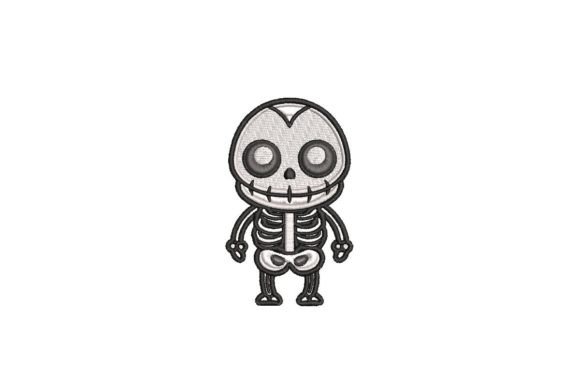
Skeleton 2 Halloween Embroidery Design Review
As an embroidery designer who has spent years turning digital concepts into tangible brand assets, I approach every new file with a mix of creative enthusiasm and commercial skepticism. When evaluating designs for small business merchandise, the goal is never just "cute" or "spooky." The goal is durability, scalability, and brand alignment. Recently, I reviewed the Skeleton 2 Halloween Embroidery Design, and while its playful nature might suggest it belongs solely in children’s apparel, my analysis suggests it has significant potential for broader branded merchandise applications if used strategically.
First Impressions: Visual Personality and Brand Fit
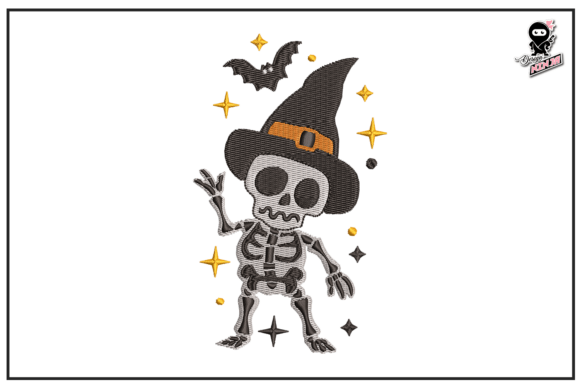
The title alone—Skeleton 2—implies a modern, perhaps minimalist take on a classic motif. In the world of machine embroidery design, simplicity often translates to better stitch quality and lower production costs. From the product description, we know this design is available in four sizes, ranging from 2.5″ to 3.9″ wide. This range is critical for small business owners because it allows for versatility across different product types.
Visually, the design feels friendly rather than frightening. For brands targeting families, kids’ boutiques, or casual lifestyle labels, this is a major advantage. It avoids the "edgy" aesthetic that can alienate certain demographics while still capturing the festive spirit of the season. However, for high-end luxury brands or corporate uniforms, this design may feel too informal. It leans heavily into the handmade product vibe, making it ideal for Etsy sellers, craft businesses, and local boutiques looking to add seasonal flair without compromising their core identity.
Real-World Business Applications
So, where does this embroidery file shine in a commercial setting? Let’s look at specific use cases based on real-world scenarios.
- Embroidered Patches: With a maximum width of 3.9 inches, this design fits perfectly within standard patch dimensions. Small cafes, bakeries, or pet brands could use this as a limited-edition holiday patch for staff aprons or customer loyalty cards. The size ensures it remains legible and distinct even when stitched densely.
- Chest Logos and Accents: At 2.5 inches wide, the smallest version serves as an excellent chest accent. Imagine a dark navy polo shirt for a summer camp counselor or a barista. A subtle skeleton motif adds personality without overwhelming the garment. It works well as a secondary logo, reinforcing brand identity through seasonal consistency.
- Tote Bag Designs: Canvas totes are a staple for handmade brands. Placing this design off-center or clustered with other small icons creates a dynamic, curated look. It elevates a basic tote bag into a collectible item, driving higher perceived value and encouraging social media sharing by customers.
- Cap Embroidery: The compact size makes it suitable for the front panel of baseball caps or beanies. For outdoor festivals or fall-themed events, this design offers a quick-to-stitch option that still grabs attention. Just ensure the cap material is stable to prevent puckering.
- Apron Embroidery: For florists, bakers, or crafters, adding a seasonal touch to workwear boosts team morale and customer engagement. A skeleton motif on a white or light-colored apron creates a striking contrast, signaling that the business embraces fun and creativity.
Strategic Considerations and Limitations
No design is perfect for every application. As a professional, I must highlight where caution is required when using the Skeleton 2 Halloween Embroidery Design.
Small Patch Sizes: While the design scales down to 2.5 inches, fine details may become lost in stitching. If the skeleton features intricate lace-like patterns or tiny text, these elements might merge together during production, resulting in a muddy appearance. Always test the smallest size before committing to bulk orders.
Curved Surfaces: Embroidering on curved items like caps or sleeves requires precise hooping techniques. The design’s layout should be checked against the curvature of the target product to ensure the skeleton doesn’t appear distorted or stretched.
High Stitch Density: If the design uses dense satin stitches for outlines, it may feel stiff after washing. For garments that require frequent laundering, such as staff uniforms or baby clothes, lighter fill stitches are preferable to maintain comfort and fabric drape.
Fabric Texture and Color: Dark uniforms can hide light thread colors, reducing visibility. Conversely, busy fabric textures (like heavy canvas or fleece) can obscure fine details. Choose smooth, tightly woven fabrics for the best results. Also, consider thread color contrast; black thread on black fabric will vanish, so opt for white, gray, or vibrant accent colors.
Impact on Brand Identity and Customer Trust
In today’s market, customers connect with brands that show personality. Using a cohesive set of design assets like the Skeleton 2 Halloween Embroidery Design signals attention to detail and care for the customer experience. When a small business offers matching seasonal merch—such as tote bags, stickers, and embroidered shirts—it fosters a sense of community and belonging.
This approach enhances customer trust by demonstrating professionalism. A well-executed embroidered patch looks more premium than a printed graphic, suggesting that the brand values quality. Furthermore, consistent use of thematic designs across products reinforces brand recognition. Customers begin to associate the skeleton motif with your brand’s unique voice, creating memorable visual cues that drive repeat purchases.
Practical Designer Notes for Production
Before you hit the "start" button on your machine, follow these essential steps to ensure a successful outcome:
- Test in Black and White: View the digitized file in monochrome to check contrast and spacing. This helps identify any areas where stitches might overlap or gaps might be too large.
- Check Hoop Size: Confirm that the largest size (3.9″) fits comfortably within your machine’s hoop capabilities. Avoid designs that exceed hoop limits, as this can cause alignment issues.
- Use Proper Stabilizer: The choice of stabilizer is crucial. For stretchy knits, use cut-away stabilizer to prevent distortion. For wovens, tear-away may suffice. Always match the stabilizer weight to the fabric weight.
- Create a Printable Mockup: Before producing physical samples, generate a printable mockup to visualize the design on actual products. This helps clients approve the placement and scale digitally, saving time and materials.
- Inspect Thread Colors: Ensure the chosen thread colors complement your brand palette. Test them on the actual fabric to verify colorfastness and visibility under different lighting conditions.
- Confirm Commercial Licensing: Verify that you have the right to use this digital embroidery file for commercial purposes. Unauthorized use can lead to legal issues and damage your reputation.
The Skeleton 2 Halloween Embroidery Design is a versatile asset for small businesses looking to capitalize on seasonal trends. Its scalable sizes and friendly aesthetic make it suitable for a wide range of products, from apparel to accessories. By following proper digitization practices and considering fabric limitations, you can transform this simple design into a powerful tool for enhancing your small business merch offerings. Remember, the key to success lies not just in the design itself, but in how thoughtfully it is integrated into your overall brand strategy.