Dancing Skeleton Embroidery Review
As an embroidery designer who spends a significant portion of the year planning for the autumn and winter rush, I am always on the lookout for designs that strike the perfect balance between festive spirit and wearable elegance. When I first encountered the Dancing Skeleton Embroidery design, it immediately caught my attention not just for its thematic relevance, but for its potential versatility in a modern seasonal collection. This is not merely a spooky graphic; it is a dynamic piece of art that invites creativity. In this review, I will break down how this machine embroidery design fits into a professional workflow for holiday product creation, specifically targeting Etsy sellers, small business owners, and handmade gift makers looking to capitalize on the Halloween season.
First Impressions: Mood and Aesthetic Appeal
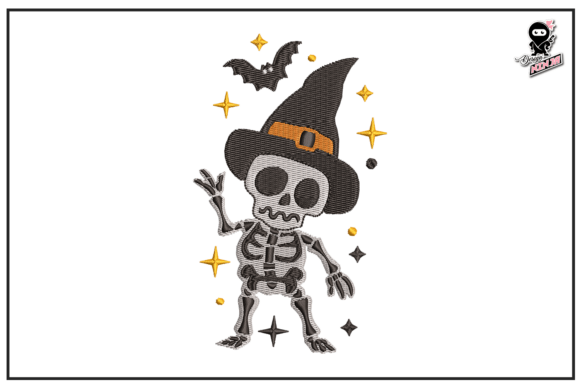
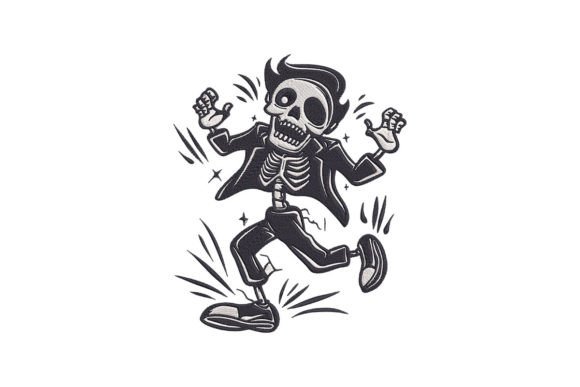
The moment you load the Dancing Skeleton Embroidery file into your hoop, the energy of the design is palpable. Unlike traditional skeleton motifs that can feel rigid or overly macabre, this design exudes a sense of movement and joy. The "dancing" aspect suggests a playful, almost celebratory tone, which is crucial for today’s market. Consumers are moving away from purely frightening decor and toward items that evoke nostalgia, whimsy, and fun. This design captures that shift perfectly. It feels both rustic and modern, making it suitable for a wide demographic.
From a decorative standpoint, the detail level is impressive without being overwhelming. The lines flow naturally, allowing for smooth stitching even on complex curves. This aesthetic appeal translates directly to product value. When a customer sees a sweatshirt or a tote bag featuring this lively character, they perceive higher quality and thoughtfulness. It bridges the gap between casual Halloween fun and premium handmade goods, ensuring your finished product stands out in a crowded digital marketplace.
Strategic Applications for Holiday Sellers
One of the strongest selling points of this embroidery file is its adaptability across various product categories. For the savvy Etsy seller or small shop product creator, diversification is key. Here is how I envision integrating this design into a cohesive seasonal collection:
- Apparel Decor: This is a natural fit for sweatshirt embroidery. Placed over the heart or centered on the back, the dancing figure adds a pop of personality to fall fashion. It works equally well on lightweight hoodies for younger demographics.
- Home Accents: Consider applying this to kitchen towel embroidery projects for a quirky touch in the home. It also performs beautifully on pillow covers, adding a cozy yet spirited vibe to living spaces during October.
- Accessories and Bags: A tote bag design featuring this skeleton is an instant conversation starter. Whether used for grocery runs or as a trick-or-treat bucket alternative, these items are highly giftable. Additionally, creating an embroidered patch allows customers to customize their own denim jackets or backpacks, increasing perceived value.
- Festive Linens: For table settings, this design can be stitched onto napkins or table runners, bringing a unique theme to Halloween dinner parties.
By offering these varied options, you cater to different buyer emotions. Some customers seek a personalized gift for a friend with a dark humor sense, while others want a cute, non-scary decoration for their home. This design satisfies both needs.
Visual Recognition and Brand Consistency
In the world of online retail, visual recognition is paramount. When browsing social media previews or scrolling through Etsy listings, customers make split-second decisions. The Dancing Skeleton Embroidery design has high visual impact due to its distinct silhouette and implied motion. This ensures that your products are instantly recognizable as part of your brand’s seasonal lineup.
Furthermore, the design supports strong brand consistency. You can create matching color palettes using specific thread colors that align with your brand’s identity—perhaps pairing deep blacks with vibrant oranges or unexpected pastels. This strategic use of color enhances engagement during holiday shopping periods, as customers associate your shop with a specific, curated aesthetic. When you offer printable mockups that showcase the design on real-life textures, you build trust and help buyers visualize the final outcome, reducing hesitation and increasing conversion rates.
Gift Bundles and Limited Edition Drops
This design is particularly effective for creating gift bundles. Imagine a package containing a embroidered kitchen towel, a matching apron, and a tote bag. The unified theme creates a premium unboxing experience. Similarly, limited edition apparel drops generate urgency. By marketing this as a exclusive seasonal release, you encourage immediate action from shoppers looking for unique, handmade gifts rather than mass-produced alternatives.
Technical Considerations and Designer Notes
While the artistic merits of the Dancing Skeleton Embroidery are clear, a professional approach requires technical diligence. Before committing to large production runs, several practical steps must be taken to ensure quality and durability.
- Thread Color Testing: Always test thread colors on both light and dark fabrics. Skeleton designs often rely on contrast. On dark fabric, you may need white or silver threads, while light fabric might call for black or grey. Ensure the chosen colors maintain the design’s legibility and mood.
- Stitch Density and Stabilizer: Check the stitch density of the file. If the design is too dense, it may pucker on delicate fabrics like thin cotton tees. Conversely, if it is too sparse, it may lack definition. Use the appropriate stabilizer—cut-away for stretchy garments like sweatshirts, and tear-away for stable fabrics like canvas tote bags.
- Hoop Size Verification: Confirm the required hoop size matches your intended product. While the description notes suitability for various projects, ensuring the design fits within standard hooping dimensions prevents awkward placements or trimming issues.
- Small Detail Review: Examine fine details after stitching. Tiny elements can sometimes merge together if the resolution is low or the fabric texture is coarse. Zoom in on your digital preview and then inspect the physical sample closely.
- Licensing Compliance: Crucially, verify commercial licensing terms. Even though the design is intended for creating sellable items, you must have the right to distribute the finished goods. Do not assume rights; check the provider’s license agreement to avoid legal issues.
Areas of Caution
There are specific scenarios where this design requires careful handling. Avoid using it on extremely small hoop sizes where intricate details might be lost. Be cautious with metallic threads, as they can break more frequently and alter the design’s appearance significantly. Stretchy garments require extra stabilization to prevent distortion. Additionally, items that undergo repeated washing, such as kitchen towels, should be tested for colorfastness and stitch integrity to ensure the finished product remains pristine over time.
Conclusion for Seasonal Creators
The Dancing Skeleton Embroidery design is a versatile, emotionally resonant asset for any holiday collection. Its playful nature appeals to a broad audience, and its technical structure allows for diverse applications across apparel, home decor, and accessories. By approaching this design with professional rigor—testing materials, respecting licensing, and leveraging strong visual marketing—you can transform a simple digital file into a profitable line of seasonal products. For the digital embroidery file buyer seeking to enhance their holiday embroidery offerings, this design offers a compelling blend of style, functionality, and marketability.