Anchor Applique Machine Embroidery Review
As a designer who spends more time than I care to admit staring at stitch density charts and testing fabric stabilizers, I approach every new digital embroidery file with a healthy dose of skepticism. The market is flooded with generic clip art disguised as embroidery designs, so finding a piece that actually translates well from screen to fabric is rare. That is why I decided to put Anchor Applique Machine Embroidery through its paces. This isn’t just another decorative element; it is a statement piece that carries specific weight in terms of aesthetic and technical execution. My goal here is to strip away the marketing fluff and give you the practical, on-the-hoop reality of using this design for real projects.
First Impressions and Visual Personality
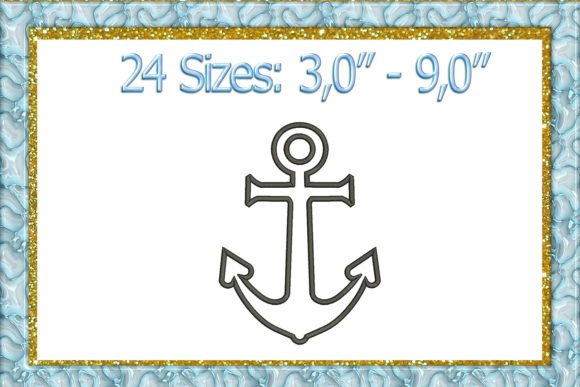
The moment you unpackage this embroidery file, the nautical theme is undeniable, but it avoids being cliché. Many anchor designs fall into two traps: they are either too intricate, resulting in a muddy mess when stitched, or too simplistic, lacking the character needed for a premium handmade product. Anchor Applique Machine Embroidery strikes a balance that feels both classic and contemporary. The silhouette is bold, relying on strong lines rather than excessive detail to convey its shape. This is a crucial distinction for any small business owner or Etsy seller looking to create high-quality goods.
The mood it creates is one of grounded stability mixed with coastal ease. It evokes the feeling of a well-loved sailor’s jacket or a vintage maritime chart. When I first viewed the digital preview, I immediately thought about how this would look on a heavyweight cotton canvas tote bag or a structured baseball cap. The design has a visual personality that says "quality" without shouting. It does not rely on flashy colors or complex gradients; instead, it trusts the geometry of the applique technique to do the heavy lifting. For designers building a brand around rustic, coastal, or minimalist aesthetics, this design asset fits seamlessly into the visual narrative.
Real-World Application: From Screen to Stitch
I wanted to see how this design performed outside of a sterile digital environment. My test case was a custom embroidered tote bag intended for a local artisan market. The goal was to create a handmade product that felt substantial enough to justify a higher price point. I selected a natural, unbleached canvas for the base fabric, which provided a neutral backdrop that allowed the thread colors to pop without competing with the material’s texture.
Stitching out the Anchor Applique Machine Embroidery revealed its true strengths. The applique sections require precise cutting and placement, but the underlying structure holds up well under the machine needle. The satin stitches along the edges were clean, with no significant puckering or thread breaks, provided the correct stabilizer was used. In my experience, an applique design like this relies heavily on the foundation stitches holding the fabric piece in place before the decorative top stitching is applied. Here, the foundation was solid, giving the final finished product a crisp, professional edge.
This design is incredibly versatile across various custom apparel categories. Beyond the tote bag, I envision this working beautifully on a sweatshirt embroidery project for the cooler months. Imagine this anchor centered on the back of a cream-colored crewneck, paired with simple text below. It creates a boutique-level look that appeals to customers seeking personalized gifts that feel curated rather than mass-produced. Similarly, for baby embroidery, the soft curves and familiar shape make it an ideal choice for muslin blankets or burp cloths, where safety and simplicity are paramount.
Strategic Considerations and Potential Pitfalls
No design is perfect for every situation, and transparency is key for fellow creators. While Anchor Applique Machine Embroidery is robust, there are specific scenarios where caution is advised. First, consider the hoop size. If you are attempting to digitize this for a very small hoop, such as those used for socks or tiny wristbands, the details may become lost. The design needs enough space to breathe, particularly if you are adding lettering or additional decorative accents around the anchor itself.
Fabric selection also plays a critical role. Textured fabrics, such as chunky knits or heavily woven burlap, can interfere with the precision required for an applique design. The needle may struggle to pierce through uneven surfaces consistently, leading to misaligned applique pieces. Thin or stretchy fabrics present another challenge. Without adequate stabilizer support—preferably a cut-away stabilizer for durability—the tension of the satin stitch could distort the garment, especially if the item is subjected to frequent washing. For commercial embroidery projects destined for retail, durability is non-negotiable, so reinforcing these weak points during production is essential.
Additionally, be mindful of dark fabrics. If you plan to use light-colored threads for the applique, ensure your contrast is sufficient. On black or navy backgrounds, the definition of the anchor shape might soften unless you use a contrasting backing or outline. Testing in black and white mockups before committing to thread choices can save you from costly reworks.
Designer Notes for Optimal Results
To get the most out of this digital embroidery file, I recommend following a few practical steps before starting your main project. Always test the design on scrap fabric first. This allows you to evaluate the stitch density and adjust thread tensions if necessary. Pay close attention to the corners of the anchor; dense stitch areas can sometimes cause bunching if the underlay is not properly configured.
When selecting thread colors, consider the context of your craft business. For a nautical theme, traditional blues and whites work well, but experimenting with metallics or muted pastels can open up new market segments. If you are creating printable mockups for your online store, try displaying the design on different fabric textures to help potential buyers visualize the final result. This enhances buyer engagement and reduces return rates by setting accurate expectations.
Finally, verify the licensing terms before selling finished items. While the design is excellent for personal use and many commercial applications, some files have restrictions on the number of units you can produce. Confirming these details ensures your small shop product remains compliant and protects your reputation as a professional maker.
Final Verdict
Anchor Applique Machine Embroidery is a standout addition to any designer’s library. It offers a blend of aesthetic appeal and technical reliability that serves both hobbyists and serious entrepreneurs. Whether you are crafting a unique personalized gift for a wedding or stocking your shelves with trendy beach-themed accessories, this design delivers a polished, trustworthy look. By paying attention to fabric choice, stabilization, and proper execution, you can transform this simple silhouette into a powerful branding tool that resonates with customers. It is a wise investment for anyone looking to elevate their embroidery project game with a timeless, nautical touch.