Scarecrow Pumpkin Embroidery Design Review
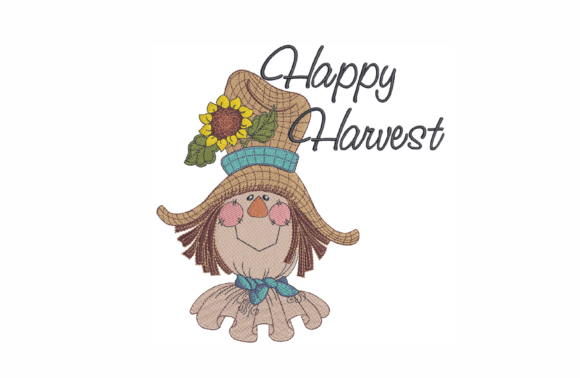
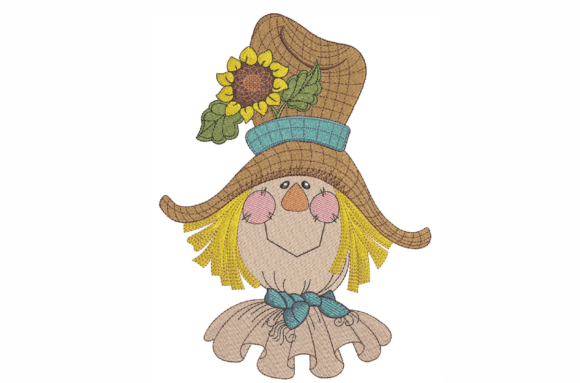
As an experienced embroidery designer, I spend my days evaluating digital assets for their commercial viability. When a client asks if a specific design will translate well from a screen to a physical product, the answer rarely depends on aesthetics alone. It depends on stitch density, scalability, and brand alignment. Today, I am reviewing the Scarecrow Pumpkin Embroidery Design, a file marketed as a perfect decoration for creative Halloween projects that looks amazing on its own or next to other creepy drawings. While the description hints at a festive, perhaps slightly spooky aesthetic, my job is to determine if this design holds up under the rigorous demands of small business merchandise production.
First Impressions: Visual Personality and Brand Fit
The title suggests a fusion of autumn harvest themes with seasonal spookiness. From a design perspective, this implies a rustic, playful, and handmade personality. For small business owners, particularly those in the bakery, florist, or boutique sectors, this visual tone can be incredibly powerful. It signals warmth and approachability while maintaining a thematic edge suitable for October marketing campaigns.
However, we must look beyond the "cool" factor. Does it feel premium? The description mentions it works well alongside other creepy drawings, which suggests it is part of a larger cohesive set. This is crucial for brand identity. A single isolated design might look like a clipart sticker, but when integrated into a suite of design assets, it becomes part of a recognizable visual language. For an Etsy seller or a craft business, this versatility allows for consistent branding across multiple products without looking disjointed.
Real-World Business Applications
Let us move past the theoretical and look at how this machine embroidery design performs in actual production scenarios. Small businesses are constantly looking for ways to add value to their offerings through small business merch. Here is where the Scarecrow Pumpkin design shines:
- Embroidered Patches: This design is an ideal candidate for iron-on or sew-on patches. Whether applied to denim jackets, backpacks, or aprons, it offers a distinct focal point. For a local café, a patch featuring this motif could serve as a staff uniform accent, instantly communicating the shop’s seasonal theme to customers.
- Custom Apparel and Apron Embroidery: In the culinary and floral industries, branded aprons are standard issue. Placing this design on the chest pocket or back yoke of a work shirt adds a touch of personality that mass-produced uniforms lack. It elevates the handmade product feel, even if the garment itself is wholesale.
- Tote Bag Design: Canvas tote bags remain a staple for boutiques and bookstores. The bold nature of a scarecrow pumpkin graphic translates exceptionally well to the textured surface of canvas. It serves as both a functional item and a walking advertisement for the brand.
- Cap Embroidery: Structured caps require designs that hold their shape. If the digitization of this file includes adequate fill stitches and proper underlay, it can sit cleanly on the front panel of a baseball cap. This is a high-demand item for event merch and promotional giveaways.
- Product Packaging Accents: Do not overlook the power of branding on packaging. A small version of this design embroidered onto a fabric tag attached to a jar of candle wax, a bag of coffee beans, or a box of baked goods creates a tactile connection with the buyer. It transforms a commodity into a gift.
Strategic Placement and Critical Considerations
Not every placement is created equal. As a designer, I urge you to be strategic about where you apply this embroidery file. Certain areas present technical challenges that can ruin the final look of your finished product.
First, consider scale. If you plan to use this as a tiny logo on a sleeve cuff or a miniature patch on a keychain, you must evaluate the level of detail. Designs with intricate outlines or fine text often lose clarity when reduced below one inch. Always create a printable mockup at actual size before committing to production. If the details blur, simplify the design or increase the base size.
Second, think about the substrate. Embroidering on dark uniforms requires careful thread color selection. A light-colored pumpkin may get lost against black fabric unless you use a heavy stabilizer and potentially a cut-away backing to prevent show-through. Conversely, on light fabrics, ensure the contrast is sharp enough to maintain visibility. Also, avoid placing complex designs on highly curved surfaces like the sides of hard hats or rounded bottle labels, as the distortion will warp the imagery.
Finally, durability is key for items that undergo frequent washing. If this design is intended for staff uniforms or customer-use aprons, confirm that the stitch density is sufficient to withstand repeated laundering without pilling or fraying. High-density fills look luxurious but can make fabric stiff; balance this with breathable mesh fills where appropriate.
Impact on Brand Identity and Customer Trust
Quality embroidery communicates professionalism. A sloppy stitch job screams amateur hour, but a clean, well-digitized design like the Scarecrow Pumpkin Embroidery Design (assuming it is properly optimized) builds customer trust. It shows that your brand pays attention to detail. When a customer receives a tote bag or a hat with crisp, vibrant threads, they perceive higher value in the associated products. This directly impacts buyer engagement and repeat purchases. Consistency in these visual touches reinforces your brand identity, making your business memorable in a crowded marketplace.
Practical Designer Notes for Production
Before you upload this digital embroidery file to your production queue, follow these essential steps to ensure success:
- Test in Black and White: Convert the design to grayscale to check contrast and spacing. If elements merge together in black and white, they will likely fail in color too.
- Review Thread Color Contrast: Ensure the chosen thread colors pop against your target fabric. Don’t rely solely on the digital preview; view it under natural lighting.
- Inspect Spacing and Density: Look closely at the transition points between different colored areas. Are there gaps that might cause puckering? Is the stitch density appropriate for the fabric weight?
- Confirm Hoop Size: Verify that the design fits within your machine’s maximum hoop dimensions, especially if you are working with large garments like full-back logos.
- Test on Real Fabric: Never skip the test run. Embroider a sample on the exact fabric you plan to use, including the correct stabilizer. Fabric texture can drastically alter how the design sits.
- Create a Mockup for Client Approval: If you are selling this as a service, provide clients with a realistic mockup so they understand how the final product will look.
- Compare Beside Other Assets: Place this design next to your existing logo and other graphics. Does it fit the overall aesthetic? Does it clash or complement?
- Confirm Commercial Licensing: This is non-negotiable. Before using any embroidery design for commercial embroidery projects, verify that you have the right to sell products bearing this image. Infringement claims can shut down a small business overnight.
In conclusion, the Scarecrow Pumpkin Embroidery Design offers a versatile, charming option for brands looking to capitalize on the autumn season. By approaching it with a critical eye toward technical execution and brand alignment, you can transform a simple decorative element into a powerful tool for growth and recognition. Remember, the best embroidery designs are not just pretty pictures; they are strategic business assets.