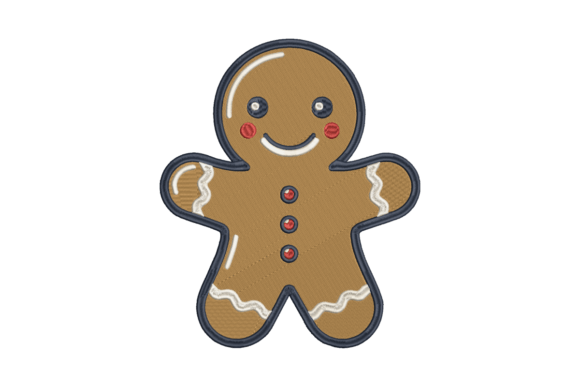
Gingerbread Machine Embroidery File
As an embroidery designer who spends hours fine-tuning stitch paths and selecting thread palettes, I approach every new digital file with a mix of curiosity and skepticism. The market is flooded with options, but few capture the specific emotional resonance required for high-end personalized gifts. Recently, I had the opportunity to review the Gingerbread Machine Embroidery File with a specific goal in mind: determining its viability for a boutique gift shop’s holiday collection. This isn’t just about whether the machine can stitch it; it’s about whether the finished product will make a customer say, “I need this.”
First Impressions and Emotional Appeal
The moment I loaded the design into my hoop, the charm was evident. The Gingerbread Machine Embroidery File strikes a delicate balance between playful nostalgia and refined elegance. It doesn’t feel like a cheap clip-art vector; instead, it possesses the warmth of a hand-drawn illustration translated through needle and thread. The intricate details on the gingerbread man—likely including icing patterns, buttons, or facial expressions—suggest a design that rewards close inspection.
For the modern crafter or Etsy seller, this aesthetic is crucial. In a sea of generic holiday items, this design feels classic yet fresh. It evokes feelings of comfort, tradition, and sweetness without being overly childish. This versatility allows it to appeal to a broad demographic, from young parents looking for nursery decor to adults seeking nostalgic home accents. The mood is undeniably festive, making it a perfect candidate for Christmas themed collections, but its timeless character ensures it won’t feel dated after January.
Product Applications and Market Potential
When planning a line of personalized gift products, the application of the design is just as important as the design itself. I tested various scenarios to see how this embroidery file would perform across different product categories.
- Baby Embroidery: One of the strongest use cases is for baby showers. A soft muslin blanket or a cotton receiving blanket embroidered with this cheerful figure creates an instant heirloom. The sweet nature of the motif resonates deeply with expectant parents, positioning the item as a meaningful keepsake rather than just a utilitarian object.
- Kitchen and Home Textiles: For the home baker or hostess, this design translates beautifully onto kitchen towels, aprons, and table runners. The robust nature of a gingerbread theme fits perfectly in a culinary context. An embroidered towel featuring this file adds a touch of personality to a kitchen counter, appealing to those who value handmade quality in their daily routines.
- Wedding and Event Keepsakes: While seemingly seasonal, the charm of this design can be adapted for winter weddings. Imagine custom pillow covers for guest rooms or favor bags for guests. The handmade product aspect elevates the perceived value of wedding favors, moving them away from plastic trinkets toward something sentimental.
- Custom Tote Bags: For the Etsy seller focusing on practical gifts, a canvas tote bag offers a large, flat surface area. This allows the Gingerbread Machine Embroidery File to shine without feeling cramped. It serves as both a functional item and a statement piece, perfect for holiday markets or craft fairs.
By integrating this design into these varied categories, small business owners can create a cohesive holiday collection that appeals to multiple buyer personas. Whether targeting baby product creators or wedding gift designers, the flexibility of this file allows for cross-promotion and expanded inventory reach.
Critical Considerations for Production
While the design is charming, no professional embroiderer skips the technical evaluation. Using a digital embroidery file successfully requires more than just pressing start. Here are the critical factors to consider before committing to production runs.
Fabric and Texture Compatibility
The texture of your base fabric plays a significant role in the final outcome. Thick terry cloth towels can sometimes obscure fine details, causing the intricate icing or facial features to become muddy. Conversely, smooth cottons and linens allow the thread colors to pop with clarity. I recommend testing on a variety of fabrics to understand how the fabric texture interacts with the stitch density. Additionally, avoid using this design on stretchy baby clothes unless you are using a stabilizer specifically designed for knits, as distortion can ruin the symmetry of the gingerbread man.
Detail Resolution and Stitch Density
Before scaling up production, always check the stitch density. High-density areas can cause puckering, especially on lightweight fabrics. If the design includes small lettering or very delicate lines, ensure they remain legible after stitching. Sometimes, what looks crisp on screen can lose definition on fabric. Use a printable mockup to visualize scale, but trust your eyes once the test stitch is complete. Examine the edges of the design for clean finishes and ensure there are no unnecessary jumps or trims that could snag during wear or washing.
Color Contrast and Lighting
Thread selection is paramount. On dark fabrics, the contrast must be high enough to maintain visibility. I advise creating mockups with both light and dark fabric backgrounds to see how the color palette shifts. A design that looks vibrant on white might disappear on navy blue if the wrong thread shades are chosen. Proper lighting during photography is also essential; poor lighting can flatten the dimensionality of the embroidery, reducing its appeal to potential buyers.
Stabilizer and Hoop Size Verification
Always confirm the recommended hoop size and stabilizer type provided by the designer. Using insufficient stabilizer can lead to registration errors, where parts of the design miss their intended marks. For items like pillow covers or structured bags, a cut-away stabilizer is often necessary to maintain shape over time, whereas tear-away may suffice for single-use items like tags. Never skip the test run on scrap fabric; it saves money, time, and frustration.
Impact on Giftability and Brand Trust
In the world of commercial embroidery, the perceived value of a product is directly linked to the quality of execution. A well-executed custom embroidery project signals care and attention to detail. When a customer receives a gift featuring the Gingerbread Machine Embroidery File, they are not just receiving an object; they are receiving a piece of art that was made with intention. This emotional connection drives customer loyalty and encourages repeat purchases.
Furthermore, high-quality embroidery enhances product photography. The texture of the stitches catches the light, adding depth and interest to images used in online listings. For small shop product sellers, this visual appeal is a powerful tool for increasing click-through rates and conversion. Buyers are drawn to items that look professionally finished, reinforcing trust in the brand’s ability to deliver premium goods.
Final Thoughts for Designers and Sellers
The Gingerbread Machine Embroidery File is a strong contender for any holiday-focused embroidery business. Its blend of whimsy and sophistication makes it suitable for a wide range of applications, from intimate baby gifts to broader home decor items. However, success lies in the preparation. By carefully selecting fabrics, verifying technical specifications, and prioritizing quality control, you can transform this digital file into a tangible treasure.
Remember to review the commercial licensing terms before selling finished products. Ensuring you have the right permissions protects your business and respects the creator’s work. With thoughtful execution, this design has the potential to become a standout bestseller, bringing joy to customers and growth to your shop. Happy stitching!