Embroidery Art Seamless Pattern Review
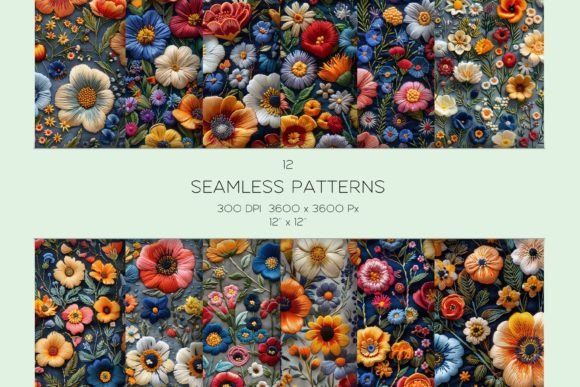
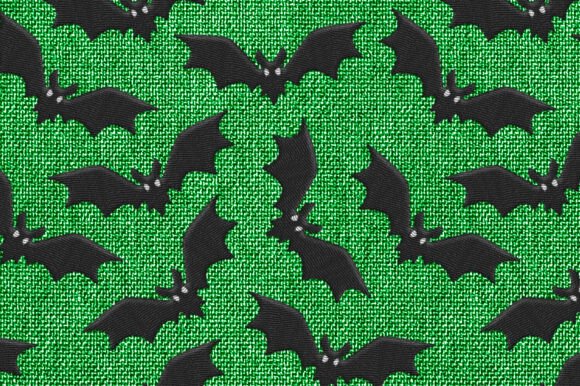
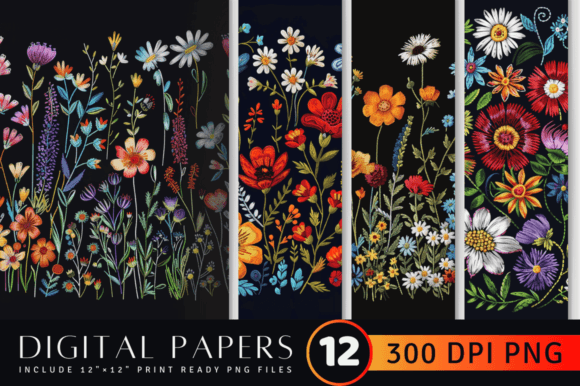
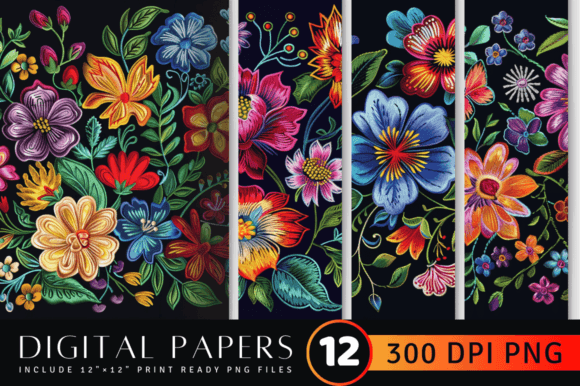
As an embroidery designer who has spent years translating digital concepts into tangible, stitched reality, I approach every new asset with a mix of creative excitement and technical scrutiny. When evaluating Embroidery Art Seamless Pattern, my focus is not just on aesthetics but on its viability for small business merchandise, branded patches, and professional uniform applications. This review explores how this design performs in real-world commercial scenarios, offering insights for Etsy sellers, boutique owners, apparel decorators, and crafters looking to elevate their brand identity through custom apparel.
First Impressions: Visual Personality and Brand Fit
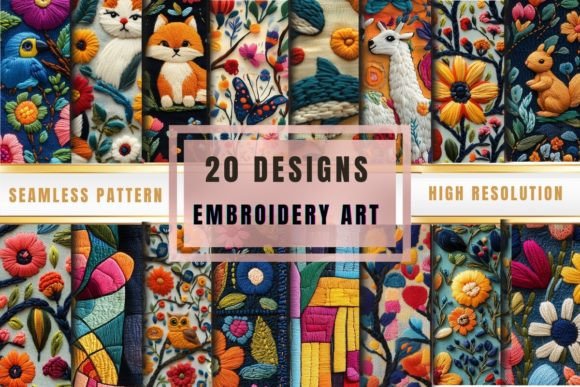
The moment you view the Embroidery Art Seamless Pattern, it radiates a distinct energy. Inspired by the rich traditions of Mexican folk art, the design features playful foxes, charming rabbits, and colorful birds drawn from the intricate and lively Otomi style. For a small business owner, this immediately signals a brand personality that is friendly, bold, rustic, and handmade. It feels premium yet accessible, avoiding the sterility of modern minimalism in favor of warmth and character.
This visual language is particularly effective for businesses that want to convey authenticity and craftsmanship. Whether you are running a local bakery, a florist shop, a pet brand, or a creative studio, the whimsical nature of the foxes and birds suggests a product line that values joy and tradition. The seamless nature of the pattern allows for versatile application, making it ideal for wrapping entire garments or creating continuous background textures on packaging. However, the question remains: does this complexity translate well when digitized for machine embroidery?
Real-World Business Applications
In the realm of small business merch, versatility is key. The Embroidery Art Seamless Pattern shines when adapted into specific product formats. Here is how it performs across various commercial use cases:
- Embellished Patches: The individual motifs within the pattern—such as the isolated fox or bird—can be extracted and digitized as standalone embroidered patches. These serve as excellent branding tools for denim jackets, backpacks, or client gifts. The vibrant thread colors typical of Otomi style pop beautifully against neutral fabrics, creating a focal point that drives customer engagement.
- Staff Uniforms and Aprons: For cafes or boutiques, subtle branding is often preferred over loud logos. Using a reduced-opacity version of the seamless pattern as a background texture on work shirts or apron embroidery adds depth without overwhelming the wearer. It creates a cohesive visual consistency across the team, reinforcing professionalism while maintaining a handmade presentation.
- Caps and Hats: Cap embroidery requires careful consideration of space. While the full seamless pattern may be too busy for a cap front, using a single animal motif as a chest logo accent works exceptionally well. The curved surface of a cap can highlight the three-dimensional quality of the stitches, especially if high-quality thread colors are used.
- Tote Bags and Product Packaging: A tote bag design featuring this pattern offers immediate visual appeal. Customers associate the tactile feel of embroidery with higher product value. Furthermore, incorporating elements of the design into printable mockups for online listings can significantly boost click-through rates, as the unique aesthetic stands out in crowded marketplaces like Etsy.
- Digital Embroidery File Assets: For designers selling digital assets, this pattern provides a ready-made solution for clients seeking ethnic or folk-inspired themes. It serves as a valuable addition to any library of design assets, allowing other creators to incorporate these motifs into their own commercial embroidery projects.
Technical Considerations and Design Challenges
While the aesthetic appeal is undeniable, an experienced designer knows that beauty must be balanced with manufacturability. There are specific areas where the Embroidery Art Seamless Pattern requires careful handling to ensure a high-quality finished product.
Small Patch Sizes and Detail Resolution: The intricate outlines characteristic of Otomi style can become muddy if scaled down too far. When digitizing for tiny lettering or small patch sizes, fine details may merge together, losing the charm of the original design. It is crucial to simplify outlines during the digitizing process to maintain clarity at smaller dimensions.
Stitch Density and Fabric Texture: High stitch density is necessary for durability, especially on items that need frequent washing, such as uniforms or aprons. However, excessive density can cause puckering on lightweight fabrics. Designers must inspect spacing carefully to ensure the fabric texture supports the weight of the stitches. Using a proper stabilizer is non-negotiable to prevent distortion during the embroidery process.
Thread Color Contrast: The vibrancy of the pattern relies heavily on thread colors. On dark uniforms or textured fabrics, standard color choices may fail to provide sufficient contrast. Testing the design in black and white first helps identify potential contrast issues before committing to expensive thread runs. Ensuring that light threads stand out against dark backgrounds is essential for legibility and visual impact.
Hoop Size Constraints: The physical limitations of your embroidery machine’s hoop size will dictate how much of the seamless pattern can be stitched in one go. Large seamless repeats may require multiple hooping positions, which introduces alignment challenges. Confirming the hoop size early in the planning phase prevents production delays and ensures the pattern flows naturally across the garment.
Impact on Brand Identity and Customer Trust
Investing in high-quality embroidery goes beyond decoration; it is a strategic move to enhance brand identity. The Embroidery Art Seamless Pattern conveys a sense of care and attention to detail that customers appreciate. When a customer sees a meticulously stitched fox on a tote bag or a rabbit on an apron, they perceive the brand as trustworthy and professional. This visual consistency reinforces recognition, making your products memorable in a competitive market.
Furthermore, the handmade aesthetic associated with folk art styles resonates deeply with consumers who value authenticity. By choosing this pattern, small business owners align themselves with values of craftsmanship and cultural appreciation, fostering a stronger emotional connection with their audience. This can lead to increased buyer engagement and repeat purchases, as customers feel they are supporting a brand with soul and story.
Practical Designer Notes for Production
To maximize the potential of the Embroidery Art Seamless Pattern, follow these practical steps before launching your merchandise:
- Test in Black and White: Always convert the design to grayscale initially to check for contrast and balance. If the shapes do not read clearly in monochrome, they may struggle in color.
- Check Small Scale Performance: Digitize a test version at the intended final size (e.g., 2 inches wide) to ensure details remain sharp. Avoid placing complex patterns on items where they will be viewed from a distance.
- Review Thread Color Contrast: Select thread colors that complement your base fabric. Avoid low-contrast combinations that might wash out the design.
- Inspect Spacing and Density: Ensure there is enough negative space between motifs to prevent stitching collisions. Adjust underlay stitches to stabilize the fabric.
- Confirm Hoop Size: Verify that your machine can accommodate the design dimensions. Plan for multi-hooping if necessary to maintain alignment.
- Test on Real Fabric: Never skip the test run. Stitch the design on the actual fabric you plan to use to assess how it interacts with the material’s texture and stretch.
- Use Proper Stabilizer: Choose a stabilizer that matches the fabric weight. Heavy-duty stabilizers for thick denim, lighter options for cotton tees.
- Create a Mockup for Client Approval: Use digital mockups to visualize the final product. This helps in presenting the idea to clients or stakeholders before production begins.
- Compare Beside Other Assets: Ensure the pattern complements your existing logo and typography. Consistency across all design assets strengthens overall brand cohesion.
- Confirm Commercial Licensing: Before selling merchandise, verify the licensing terms of the digital embroidery file. Ensure you have the right to use the design commercially to avoid legal issues.
In conclusion, the Embroidery Art Seamless Pattern is a powerful tool for small business owners seeking to add unique, high-value touches to their merchandise. Its vibrant, folk-art inspired aesthetic offers a fresh alternative to generic designs, helping brands stand out in a crowded marketplace. By addressing technical considerations such as stitch density, fabric compatibility, and licensing, designers can transform this digital graphic into a successful line of embroidered patches, caps, tote bags, and custom apparel. With careful execution, this pattern can significantly enhance your brand’s visual identity and drive customer loyalty.