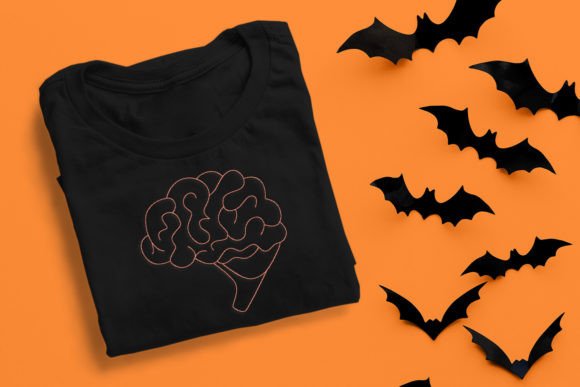
Brain Linework Embroidery Review
As a designer who spends half the day digitizing and the other half troubleshooting tension issues on industrial machines, I don’t just look at an embroidery file; I look at its potential. When I pulled up Brain Linework Embroidery, my first thought wasn’t about Halloween. It was about versatility. While the marketing leans heavily into spooky season, the actual design language is clean, anatomical, and surprisingly sophisticated. This isn’t just a novelty item; it’s a linework piece that can elevate a brand if used with intention.
I recently tested this design for a small batch of custom tote bags intended for a local anatomy study group and a few Etsy listings targeting "smart" home decor. Here is my practical breakdown of how this design performs in real-world applications, where it shines, and where you need to be careful.
First Impressions: Mood and Visual Personality
The term "linework" in the title is doing a lot of heavy lifting here. Unlike dense fill stitches that can look bulky or cartoonish, this design relies on the elegance of continuous lines. It features a brain including the brain stem, rendered in a style that feels more like a vintage medical illustration than a clip-art monster. The mood is intellectual, slightly quirky, and modern. It appeals to the "anatomy nerd" demographic without being grotesque.
For the embroidery project creator, this visual personality is valuable. It doesn’t scream for attention; it invites a closer look. When stitched, the negative space becomes as important as the thread itself. This makes it ideal for custom apparel where you want a statement that isn’t overwhelming. It works beautifully as a chest-level placement on a sweatshirt or centered on a kitchen towel, offering a touch of wit that resonates with adults who appreciate science and design.
Real-World Application: Where This Design Fits
In my workflow, I categorize designs by their product fit. Brain Linework Embroidery has crossed over from niche hobbyist gear into broader commercial territory. Here is how it translates across different mediums:
- Tote Bag Design & Apparel: On canvas totes, the linework stands out sharply against natural cotton or black fabric. It transforms a basic accessory into a conversation starter. For sweatshirt embroidery, placing it on the back or left chest offers a subtle branding opportunity for educational boutiques or science-themed shops.
- Kitchen & Home Decor: This is perhaps its strongest suit. As a personalized gift for chefs, doctors, or biology teachers, embroidered tea towels or aprons featuring this design feel high-end. The clean lines mimic modern graphic design trends, making the finished product look expensive rather than handmade-craft-fair cheap.
- Patches and Badges: Because the design is self-contained and doesn’t rely on tiny text, it digitizes well into a patch format. Whether using a satin stitch border or a merrow edge, the internal linework holds up well on denim jackets or backpacks, serving as a durable embroidered patch that withstands wear.
- Digital Assets: For those selling digital embroidery files or creating printable mockups, this design is versatile. It renders cleanly in digital previews, allowing Etsy sellers and small shop owners to showcase the design clearly without worrying about thread texture obscuring the details in low-resolution images.
Technical Performance and Stitch Clarity
When evaluating a machine embroidery design, I always ask: Does it stitch true to the digitizer’s intent? With this linework piece, the clarity is generally excellent. The use of running stitches or fine satin paths (depending on the specific size within the zip file) allows for intricate detail without excessive density. However, this also means that thread quality matters immensely.
If you are using low-quality polyester thread, the thin lines may break or look fuzzy. High-sheen rayon or premium polyester will make the linework pop, giving the finished product a professional sheen. I recommend testing the design in both black and white thread to ensure the contrast holds up. In redwork style (using a single color), the design relies entirely on the outline, which requires precise stitching to avoid gaps. If the stitch density is too light, the fabric might show through; if too dense, the lines may pucker.
The inclusion of multiple sizes is a significant advantage. A larger size allows the brain stem and minor folds to breathe, while smaller sizes require careful inspection to ensure no critical details merge together. Always check the smallest size you plan to produce to confirm it remains legible.
Where to Use Caution
No design is perfect for every surface. There are specific scenarios where Brain Linework Embroidery might struggle, and knowing these boundaries will save you time and material costs.
- Small Hoop Sizes: Avoid attempting this design in very small hoops (under 4x4 inches) unless you have verified the digitization. Tiny linework can become muddy or disappear entirely if the hoop stabilizes the fabric poorly or if the machine struggles with fine needle penetration.
- Textured or Stretchy Fabrics: This design demands a stable base. On thick fleece, terry cloth, or highly stretchy jersey knits, the delicate lines may distort or shift during stitching. Always use the proper stabilizer—cut-away for knits and tear-away for wovens—to maintain the integrity of the shape.
- Dark Fabric Without Contrast Thread: If you are embroidering on dark fabric, ensure your thread color provides sufficient contrast. Black-on-black linework is invisible. White or bright metallic threads work best for visibility, but test them first to ensure they don’t snag easily.
- Curved Surfaces: While caps are popular, applying a flat, detailed linework design to a curved brim or front panel can result in distortion. This design is better suited for flat panels like aprons, tote bags, or the flat front of a hat crown, not the curved side panels.
Business and Branding Value
For the craft business owner, the appeal of this design lies in its broad demographic reach. It bridges the gap between Halloween embroidery and year-round educational merchandise. You aren’t limited to October sales. You can market this as a gift for scientists, students, or anyone who appreciates clever design.
This versatility increases the perceived value of your handmade product. A simple tote bag becomes a "Science Lover’s Essential" rather than just a grocery bag. This narrative helps justify higher price points and builds brand consistency for shops that focus on witty, intelligent, or niche themes. It also serves well as a commercial embroidery asset for corporate gifts in the medical or academic sectors.
Final Designer Notes
Before adding Brain Linework Embroidery to your production queue, follow these practical steps:
- Test on Scrap Fabric: Never go straight to the final product. Stitch the design on the exact fabric and stabilizer combination you plan to use. Check for puckering, thread breaks, or misalignment.
- Inspect Small Details: Zoom in on the digitized file if possible. Ensure the brain stem and internal folds are distinct. If any areas look overly crowded, consider simplifying the design or increasing the size.
- Confirm Licensing: If you intend to sell finished items, verify the license terms included with the download. Some designers allow commercial use, while others restrict it to personal projects only. Clear licensing protects your small shop product from legal issues.
- Compare Backgrounds: Mock up the design on both light and dark backgrounds digitally. This helps you decide which thread colors will offer the best visual impact for your target audience.
Ultimately, Brain Linework Embroidery is a smart addition to any digitizer’s library. It is clean, adaptable, and visually engaging. By treating it with the technical care it deserves—proper stabilization, quality thread, and strategic placement—you can create embroidery project outcomes that resonate with customers long after the holiday season ends. It is a testament to the fact that good design transcends trends, appealing to anyone who appreciates the beauty of structure and intellect.