Bee Flower, Floral Embroidery: A Designer’s Honest Review
When I sit down to evaluate a new machine embroidery design, my first question is always practical: does this design solve a problem or elevate a product? Too often, digital assets look beautiful on a screen but fall flat when stitched into a finished piece. Today, I am looking closely at the Bee Flower, Floral Embroidery design. This piece falls under the category of Single Flowers, but its execution suggests it is much more than a simple botanical accent. As a designer who frequently creates for small businesses and personal clients, I need to know if this file will hold up in real-world applications—from custom apparel to high-end home decor.
First Impressions and Visual Personality
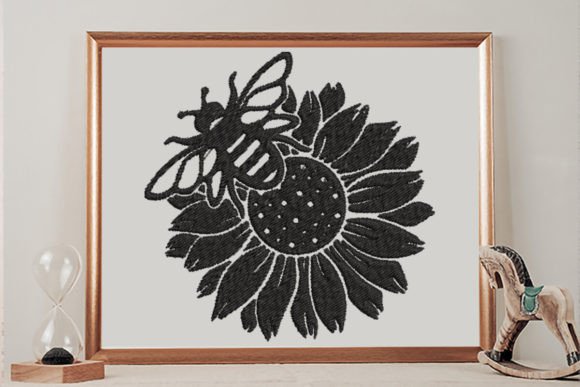
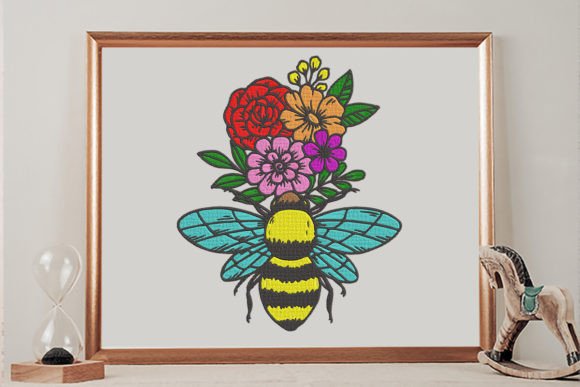
The moment you open the file for Bee Flower, Floral Embroidery, the layout feels balanced. It isn’t just a static flower; the inclusion of the bee motif adds a dynamic, living quality to the composition. The visual personality here is cheerful yet grounded. It doesn’t scream for attention with overly complex details that might get lost in stitching, nor is it so minimalist that it lacks character. Instead, it strikes a sweet spot that works beautifully for brands aiming for a rustic, natural, or cottage-core aesthetic.
From a design perspective, the interplay between the floral elements and the insect creates a narrative. It feels organic. When I imagine this on a product, it doesn’t feel like a logo slapped onto fabric; it feels like an integrated part of the garment or item. The shape allows for versatility, meaning it can be scaled up for a statement piece or kept smaller as a subtle detail. This adaptability is crucial for any embroidery file intended for commercial use, where one design might need to serve multiple purposes across different product lines.
Real-World Application: From Tote Bags to Nursery Decor
Let’s talk about how this design performs in actual production scenarios. I recently considered using Bee Flower, Floral Embroidery for a batch of custom tote bags for a local farmer’s market vendor. The goal was to create something that felt handmade and artisanal. Because the design features a single focal point, it translates perfectly to the center chest area of a bag or the upper corner of a canvas tote. The clean lines ensure that even on textured fabrics like heavy cotton duck, the stitch definition remains clear.
Beyond accessories, this design shines in home goods. Imagine a set of linen kitchen towels embroidered with this motif near the hem. Or perhaps a pillow cover for a nursery. The theme is gentle enough for baby items but sophisticated enough for adult spaces. For an Etsy seller or small shop product owner, this versatility is gold. You can list the same digital embroidery file as a design for aprons, sweatshirts, and wall art, maximizing your return on investment from a single purchase.
I also envision this working well as an embroidered patch. If applied to denim jackets or caps, the floral and bee combination adds a touch of whimsy without overwhelming the base material. It serves as a perfect conversation starter, which is exactly what you want when you are trying to build brand recognition through handmade product presentation.
Where Caution Is Required
While the design is versatile, no embroidery project is without its challenges. There are specific contexts where Bee Flower, Floral Embroidery requires careful planning. First, consider the hoop size. If you attempt to digitize or stitch this on a very small hoop, the finer details of the bee’s wings or the flower petals may merge together, creating a muddy appearance. Always check the recommended hoop size before committing to a small accessory like a hat band or a tiny wrist cuff.
Fabric choice is equally critical. On stretchy knits, such as thin t-shirts or athletic wear, the tension of the stitches can cause puckering if not stabilized correctly. Similarly, on dark fabrics, thread contrast becomes paramount. If the original colorway of the design uses light threads, it may not pop against black denim or navy wool. In these cases, you must test thread colors carefully to ensure visibility. Furthermore, avoid placing this design on curved surfaces like the front panel of a structured cap unless you have significant experience with curve stitching, as the floral symmetry might distort visually.
Stitch Quality and Technical Considerations
As a reviewer, I pay close attention to how the design handles different stitch types. A good machine embroidery design utilizes a mix of satin stitch for outlines and edges, fill stitch for body mass, and running stitch for delicate accents. In Bee Flower, Floral Embroidery, the balance appears thoughtful. The fill stitches provide enough density to cover the fabric backing without being so heavy that they make the item stiff—a common issue with poor digitizing.
However, stitch density is a double-edged sword. While adequate density ensures durability, excessive density can lead to needle breakage or thread breaks, especially on longer runs. Before producing a large batch for a craft business, I strongly advise testing the design on scrap fabric to inspect the stitch density. Look for areas where the thread might pile up or where the fabric texture is obscured. If the design includes applique design elements, verify that the placement stitches align perfectly with the applique pieces to avoid misalignment in the final product.
Impact on Product Value and Customer Trust
Quality matters. When a customer buys a personalized gift or a boutique item, they are paying for craftsmanship. A well-executed Bee Flower, Floral Embroidery design enhances the perceived value of the item. Clean stitches, proper tension, and appropriate stabilizer usage signal professionalism. Conversely, loose threads, visible backing, or distorted shapes can erode customer trust instantly.
This design supports brand consistency because of its timeless appeal. Whether you are selling holiday embroidery kits or year-round custom apparel, the motif remains relevant. It appeals to a broad demographic, making it a safe yet stylish choice for design assets aimed at general consumers. When you present printable mockups or photos of the finished product, the clarity of the design helps buyers visualize the end result, reducing returns and increasing engagement.
Practical Designer Notes for Success
To get the best results from Bee Flower, Floral Embroidery, follow these essential steps:
- Test on Scrap Fabric: Never go straight to the final product. Test the design on the exact fabric type you plan to use to check for puckering or distortion.
- Check Thread Contrast: Ensure the chosen thread colors stand out appropriately against the background fabric. Light-on-light or dark-on-dark combinations may require adjustments.
- Review Stitch Density: Inspect the design for overly dense areas that might cause machine issues or stiffness in the finished item.
- Confirm Hoop Size: Verify that your machine’s hoop can accommodate the design dimensions comfortably, leaving room for setup.
- Use Proper Stabilizer: Match the stabilizer (cut-away, tear-away, or wash-away) to the fabric weight and structure to maintain stability during stitching.
- Inspect Small Details: Zoom in on the digital preview to ensure fine details like the bee’s antennae or flower stamens are clear and won’t get lost in stitching.
- Verify Licensing: Before selling finished products or distributing the file, confirm the license terms. Some files are for personal use only, while others allow commercial sales of physical goods.
In conclusion, Bee Flower, Floral Embroidery is a strong candidate for designers seeking a versatile, charming, and commercially viable asset. Its ability to transition seamlessly from tote bag design to sweatshirt embroidery makes it a valuable addition to any library. By paying attention to technical details like fabric choice and stabilizer use, you can ensure that this design delivers a professional, high-quality result every time. For the maker or creative entrepreneur, it offers the flexibility needed to create a cohesive and appealing product line.